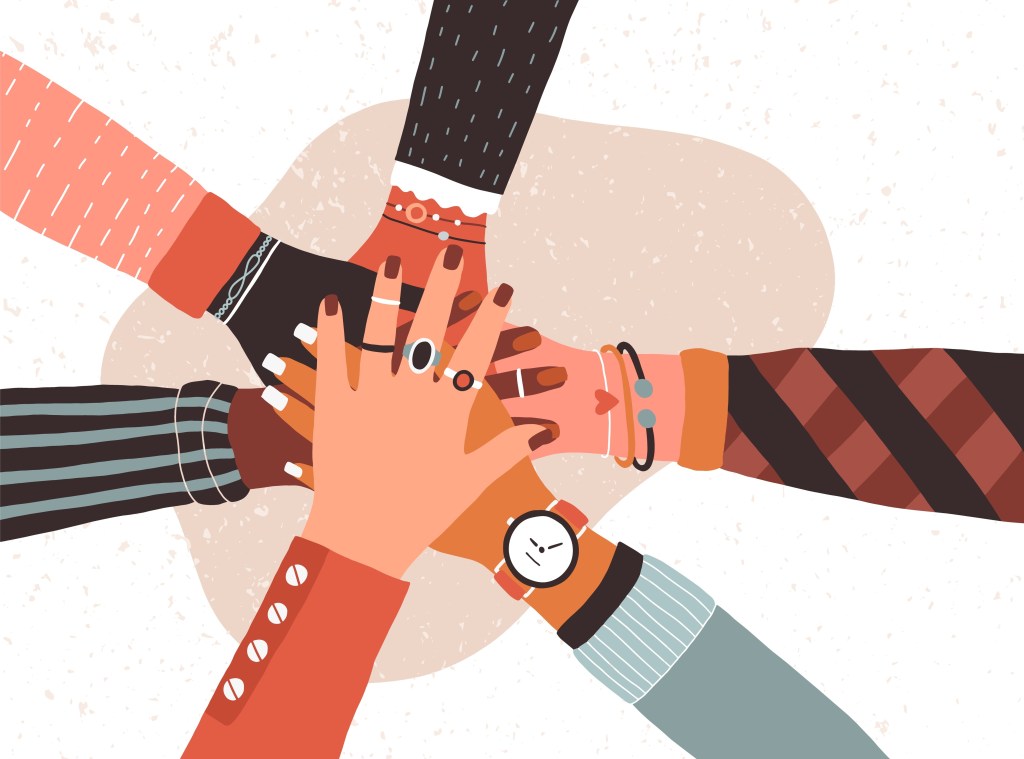
In all honesty, this is a controversial topic that I’ve been dwelling over much about lately. So here I go…
Cultural appropriation is a term that has gained widespread attention in recent years as an issue of social justice. It is defined as the adoption of cultural elements from a marginalized group by members of a dominant group without proper understanding, respect, or permission. Appropriation can trivialize and erase the significance of a culture, and cause harm to the people who originated it. While the conversation around cultural appropriation has largely focused on white people, it is important to recognize that ANYONE can also culturally appropriate, and that this issue is not limited to skin color. There, I said it.
It’s key to note that some particular ethnic backgrounds have historically experienced cultural erasure, but this does not exempt them from engaging in cultural appropriation. Studies have shown that cultural appropriation is a complex issue that involves power dynamics and the ability of one group to take from another. This means that cultural appropriation is not solely a matter of skin color, but also of social status and privilege (Alim, 2016). Now to anyone that gets defensive of this, hear me out here. I wanted to broaden the horizon on the ideology that a certain ethnic group can have a free pass towards cultural appropriation due to past (or present) colonialism. Nobody is saying that people haven’t stolen from cultures etc. I’m simply saying that as we are approaching a time of level grounding and progressiveness, this is also a topic that should venture this way too- in order to lessen the divide. We live in a society where political correctness and “cancel culture” has silenced minorities and this is also not right. So here I speak for the mass on this topic and make it a level playing field for all. And if you don’t like it? Come up with a valid argument that isn’t about being colonised at some point in time and try making a valid argument that doesn’t gang up or “cancel” an individual for free speech.
One example of cultural appropriation is (quite famously) Rihanna. The star shared the photo on Instagram to promote the satin boxers made by her lingerie brand Savage X Fenty. In the topless pic, she wore a lilac pair underwear and a range of jewellery, including a necklace that appeared to be of the Hindu god Ganesha. The necklace itself wasn’t the only part of the photo that many fans took offense to. Many social media users thought Rihanna’s topless pose was the most concerning part of the photo. “Wearing a Ganesh necklace whilst naked seems very disrespectful to Hinduism,” a follower wrote. And it truly was. It hurt to see a long time idol of mine, disrespecting my religion, my God and sexualising it for the public. The fact that we dress from head to toe in our cultural clothing in respect when praying to our deity and then seeing this? Unacceptable. She and her team had no respect for researching a well known deity and it rightfully shocked the Hindu community. Furthermore, to make matters worse, the time in which it was posted was ‘Ganesh Jayanti’. A day that lots of Hindus celebrate and hold sacred.
A follower commented “As a non Hindu, posing with a Ganesh necklace on this day to your thousands of non Hindu followers inadvertently gives them the permission to also see that Ganesh necklace as nothing more than a decoration, when to many others there’s a stronger meaning behind it”. Some people took to defending the singer saying she wasn’t aware or they didn’t see why a necklace was a problem. And this is the whole argument. We can not excuse a person for the lack of respect and permission for a culture. This is no longer based on colour or creed but rather the decency to respect what simply isn’t yours to destruct.
And this also happened during the time when famous band AC/DC came about- Ganesha had been used on posters and anything related to “peace” including nightclubs and weed gatherings. Again, totally not on.
To avoid cultural appropriation, it is important for individuals to educate themselves about the cultures they wish to engage with. This means researching the history, significance, and cultural context of the item or practice before using it. It is also important to ask for permission from members of the culture if there is any doubt about whether something is appropriate to use or wear. Research has shown that education and cultural awareness can help to reduce instances of cultural appropriation (Lappin, 2021).
In conclusion, cultural appropriation is a complex topic which will always hold its fair share of controversy. It’s important to understand that regardless of colour, nobody should hold privilege in society to distract one’s cultural integrity. All person(s) should be held accountable. Educating oneself, asking for permission, and being respectful are crucial steps to avoid appropriation. By doing so, we can create a more inclusive and respectful society that honors and celebrates the diversity of all cultures.
References:
Alim, H. S. (2016). Cultural appropriation and the arts. Journal of Aesthetics and Art Criticism, 74(4), 395-405.
Lappin, E. (2021). Cultural appropriation: A critique of the concept and its application in the art world. Journal of Aesthetics and Art Criticism, 79(1), 49-58.
 Karisha Jade
Leave a comment