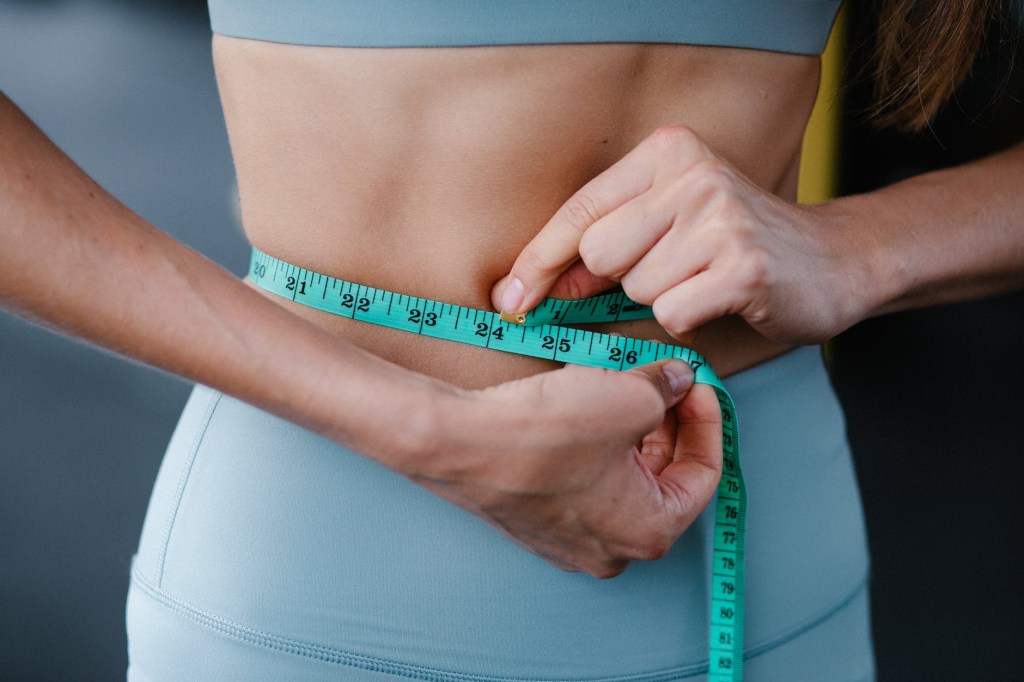
As a society, we have always placed a certain level of importance on appearances. However, with the proliferation of social media and the constant stream of perfectly curated and edited images, it is easier than ever for young people to feel like they don’t measure up.
One of the main ways that the internet has warped body confidence is through the creation of unrealistic beauty standards. From flawless bodies to flawless skin to flawless lives, social media is filled with images that can be very damaging. These images create an impossible standard that is difficult for anyone to live up to, and can leave young people feeling like they are not good enough. According to a study by the National Eating Disorders Association (NEDA, 2018), over 50% of teenage girls and nearly a third of teenage boys use unhealthy methods to control their weight.
Another way that the internet has impacted body confidence is through the constant comparison that is so easy to engage in online. With just a few clicks, it is possible to see how you measure up to others in terms of looks, popularity, and success. This constant comparison can be very damaging to self-esteem, as it is easy to feel like you are falling short. A study by the University of Strathclyde (Smith et al., 2019) found that young people who spend more time on social media are more likely to experience body dissatisfaction.
The internet has also made it easier for harmful and negative messages about body image to spread. From toxic diet culture to body shaming, there are many online communities that can perpetuate harmful ideas about what is and is not acceptable when it comes to body size and shape. According to a survey by Common Sense Media (2020), nearly 60% of teenage girls and 40% of teenage boys have experienced some form of body shaming online.
So what can we do to protect ourselves and our loved ones from the negative impact of the internet on body confidence? It is important to remember that social media is not a true reflection of reality. The images we see online have likely been carefully curated and edited, and it is important to remember that nobody’s life is perfect. It is also important to surround ourselves with positive and supportive people, and to seek out online communities that promote body positivity and acceptance.
Overall, the internet has had a significant impact on the body confidence of the younger generation. While it has the potential to be a positive and empowering force, it is important to be aware of the ways in which it can also be damaging and to take steps to protect ourselves from these negative influences.
If you enjoyed reading this post, don’t forget to leave a comment and follow my page on Instagram @karishajadex for more!
References:
Common Sense Media (2020). Body shaming and the media. Retrieved from https://www.commonsensemedia.org/research/body-shaming-and-the-media
NEDA (2018). National Eating
 Karisha Jade
Leave a comment